Image

Each year, The Graduate School awards hundreds of Summer Research Fellowships to Ph.D. students, funded by gifts from alumni and supporters. The fellowships allow students to focus on their research during the crucial summer months.
In summer 2025, Ph.D. students supported by these fellowships conducted fieldwork in Malawi, studied East Asian collaboration in forensic science, and studied physiological responses to relational harm and forgiveness, among many other endeavors. Here is a look at some of the student pursuits supported by the fellowships in summer 2025. All photos were submitted by students.
The Summer Research Fellowship enabled me to devote myself fully to intensive archival research. Thanks to the financial support, I could advance important aspects of my Ph.D. research proposal. I examined records from online archives, and I was also able to build a list of collections that will be essential but that are only available on-site in archives in Brazil and the U.S. Thus, in addition to the documents I analyzed, the fellowship allowed me to prepare a detailed archival plan for next summer, when I plan to go in person to look at these additional materials.
During summer 2025, I conducted interdisciplinary research supported by the Summer Research Fellowship, focusing on microbial community responses to environmental change. My project examined how temperature and nutrient shifts influence the metabolic traits and competitive interactions of freshwater ciliates—key microbial consumers that shape nutrient cycling. Using controlled laboratory microcosms and quantitative microscopy, I measured respiration rates, growth, and species’ coexistence across thermal gradients to test predictions from metabolic theory and ecological stoichiometry. In parallel, I analyzed community-level trait data using R to link physiological performance with ecosystem function. This work built on previous collaborations through the Microbiome Centers Consortium and the Evolutionary Medicine Summer Institute, integrating ecological and evolutionary perspectives on microbial resilience under climate stress. The fellowship enabled me to refine experimental design, advance my data analysis skills, and develop a manuscript now in preparation for Proceedings B. Beyond technical growth, the experience strengthened my ability to mentor undergraduate assistants and communicate complex microbial ecology to broader audiences.
In the summer of 2025, I was able to finish data collection from my study subjects in captivity here at the Duke Lemur Center. This completed a three-year data collection period and will serve as the majority of the data for my dissertation. In addition, I was able to begin data analysis and manuscript writing for another project that is part of my dissertation. Overall, the Summer Research Fellowship allowed me the freedom to complete vital steps at the tail end of my graduate career.
The Summer Research Fellowship allowed me to spend my summer dialing in my thesis project before getting busy in the fall. After my rotations concluded, I needed to take the time to deep dive in literature and fully plan my thesis main aims and start working on experiments for those aims. I fleshed out the three aims of my thesis project, deciding on two cellular biology-based aims and one evolutionary aim. Once my thesis plan was laid out, I started one of the main experiments for my first aim. I took a total of 24 cell culture samples from different time points in a heat shock assay, and over weeks was able to extract the RNA from them all. Once I performed initial quality testing, I was able to send those for sequencing, which I got back this fall for analysis. I started working on collecting growth curve data for my second aim, performing many 2–3-day assays, which I also started graphing in R for figures. I also had time to start meeting others in my field through my PI, which is a great start to my Ph.D. networking journey. At the end of the summer, with my thesis plan and these initial experiments started, I was also able to construct a committee for my preliminary exam and eventual dissertation defense. All of the work I was able to complete thanks to this opportunity has put me in a great place for this fall, where I am working as a TA, taking classes, and continuing to work on my thesis project.
Spatial transcriptomics has transformed our ability to map gene expression in situ, yet most current analytic frameworks remain limited to single samples or domain-segmentation tasks on organized tissue architecture, which overlook continuous gradients and recurrent microenvironmental states in complex tissues such as tumors. Therefore, we would like to develop MetaSpatial, a computational framework designed to identify reproducible cell states with relatively distinct spatial distribution, termed meta-components (MeCs), across single or multiple high-resolution spatial transcriptomic datasets. The method decomposes each sample using independent component analysis (ICA). It clusters the resulting components into MeCs based on cosine similarity of gene weights and spatial similarity after projection, enabling the emergence of spatially distinct transcriptional programs with distinct gene signatures. To evaluate MetaSpatial, we tested MetaSpatial on colon cancer and successfully identified macrophage subtypes in published literature. Applied to four Visium HD breast cancer samples, MetaSpatial recovered 47 recurrent MeCs consisting of immune, fibroblast, and tumor niches, including interferon-stimulated immune hubs, neuroendocrine-like tumor regions, and metabolically active fibroblasts that were not captured by graph-based clustering based on gene expression profiles.

This summer, with the generous funding from the Summer Research Fellowship, I participated in the American Academy in Rome Classical Summer School, which took place from June to July. With the support from this award, I spent over five weeks in Italy, during which I visited many different ancient sites and museums including those in Rome, the Bay of Naples, and Florence. Under the direction of Dr. Evan Jewell (Rutgers University, Camden), our group explored themes of “wayfinding” in ancient cities, personal representation and identity in the ancient world, and how ancient Romans navigated within a culture of competition. During the trip, I saw some of the most notable ancient Roman artifacts and sites, including those at Herculaneum, Paestum, and Ostia. One of my favorite sites was Pompeii, where I saw many ancient graffiti in situ. By being able to study these ancient remnants in their original contexts, I gained a much greater understanding of how ancient Romans navigated their towns, interacted with each other, and operated on a daily basis. This experience has been invaluable in both contextualizing my research on the ancient Mediterranean and giving me new ideas on how to teach this material to undergraduates.
During the summer of 2025, I had the opportunity to attend the two-week online summer school "Digital Tools for Humanists" 2025 organized by the Laboratory for Digital Culture at the University of Pisa (Italy), designed as an introductory course and an intensive exploration of different tools that recent technological developments have made available to humanists. The course allowed me to learn new IT skills and ethical practices concerning copyright and the use of artificial intelligence, explore the field of digital humanities, and connect with European and African colleagues engaged in exciting and promising projects, from Ancient Greek pedagogy to the creation of public history platforms.
During summer 2025, I continued developing the concept of aggregate counterfactuals (ACs), a model-free, data-driven framework that extends traditional row-level counterfactuals to feature-defined groups of rows. This enables analysis of group-level causal relationships and offers practical insights in domains like education and fairness auditing, where understanding collective outcomes is paramount. Building upon this idea, I began research on influence-aware counterfactual reasoning in Markov Decision Processes (MDPs). This work extends counterfactual analysis from static datasets to sequential decision-making, where actions influence future outcomes. I developed a probabilistic framework that models influence through soft stochastic constraints, introducing influence-weighted reward shaping to balance proximity to observed behavior with counterfactual utility. I also explored model-free counterfactual analysis for assessing data point and feature importance directly from datasets without relying on trained models. This approach connects to prototype selection, dataset pruning, and explainable AI, introducing a frequency-based iterative method for ranking samples by counterfactual influence.
Thanks to the support from The Graduate School’s Summer Research Fellowship, I was able to maintain continuous research progress during summer 2025. The fellowship allowed me to focus deeply on my ongoing project about efficient inference for diffusion models, which targets optimizing neural network computation for faster and more energy-efficient AI systems. With this support, I successfully achieved a key milestone in my research—developing and validating the core algorithmic framework that enables substantial acceleration without compromising model accuracy. This progress lays a strong foundation for my upcoming publication and further collaboration within Duke’s CEI Lab. I am truly grateful for the fellowship’s support in enabling steady and meaningful research advancement over the summer.
I was able to hunker down and get to work in a time with no classes or working as a TA or anything. This effort led to a submission to AISTATS.
Supported by the Summer Research Fellowship, my academic and research pursuits during summer 2025 were dedicated to the field of constant-time programming. This area is critical for developing secure and resilient software. My research focused on analyzing and developing techniques to ensure that program operations take the same amount of time to execute, regardless of the secret data being processed. This practice was essential for mitigating side-channel attacks, specifically timing attacks, where attackers can infer sensitive information by observing execution time variations and cache behaviors. I delved into existing constant-time implementations, identified their limitations, and explored novel compiler-based strategies to enforce constant-time execution more robustly. I am grateful for the fellowship's support, which allowed me to focus intensively on this challenging and impactful work.
With the support of this grant, I advanced my preliminary dissertation research on the social, economic, and affective dimensions of sports gambling in Colombia. Over the summer, I conducted more than ten semi-structured interviews with actors who shape and are shaped by this expanding industry, including gamblers, journalists, former casino workers, lawyers, corporate guild members and representatives from major betting platforms. These conversations illuminated how gambling becomes a tool for navigating uncertainty, imagining alternative futures, and coping with economic precarity. I complemented this work with digital ethnography across online betting platforms, social media channels, and virtual communities where strategies, rumors, and emotions circulate. This allowed me to analyze how technology mediates risk-taking practices and cultivates speculative dispositions. Additionally, I visited sports betting spaces in person—including two casinos in Bogotá and the city’s main soccer stadium, Nemesio Camacho El Campin, to observe how gambling is embedded in everyday leisure and fan culture. These visits provided insight into how betting infrastructures are normalized through sporting spectacle, sponsorships, and peer influence. Together, these activities strengthened my methodological approach, expanded my network of collaborators and interlocutors, and helped refine the core questions that will guide my dissertation.

My dissertation examines the humanitarian search for missing people as a relational process that challenges and reshapes the values, moral rules, and the meaning of life and death in the long shadow of wartime. This is a collaborative research with indigenous Nasa communities and former FARC guerrilla combatants in southwestern Colombia. It explores the confluences and frictions between values and practices when dealing with the disappeared during peacebuilding attempts. Employing collaborative methodologies at the intersection of collective memory, storytelling, and participatory strategies, the dissertation argues that the search is a political struggle that deals with uncertainty and ambiguity in order to recognize the human through transformation of conceptions around grievability, victimhood, and the reparation of harm. The Summer Research Fellowship supported my methodology, grown from collaborative dialogues with indigenous leaders from Caldono and ex-combatants from the "Corporación Humanitaria Reencuentros" (CHR) in southwestern Colombia. Together, we established various participatory and activist strategies to explore the values, meanings, and practices surrounding the humanitarian search for missing people.
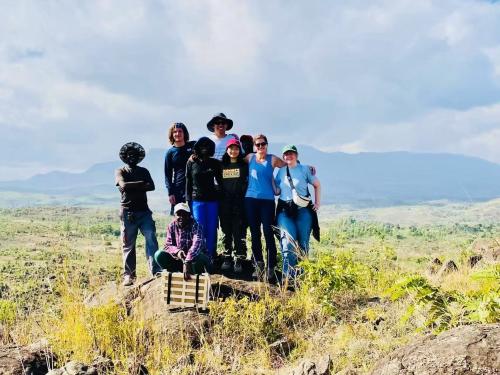
During the summer of 2025, I worked with my mentor, a multi-institutional team, and local partners to conduct extensive ecological surveys across community-managed sites in southern Malawi. The fieldwork aimed to evaluate the ecological outcomes (e.g., biodiversity, biomass) of restoration interventions in communal forests and agroforestry systems, including tree inventories, herbaceous biomass assessments, and soil core sampling. The Summer Research Fellowship provided essential support that allowed my field research to proceed smoothly. The data collected during this summer have enabled me to begin chapter three of my dissertation, which focuses on how human activities influence key ecological functions in dryland ecosystems. Beyond advancing my dissertation research and academic training, the fellowship support also allowed me to integrate field observations, satellite remote sensing and ecological modeling to conduct a broader assessment and projection of long-term ecological responses to climate and land-use change. The resulting deliverables will directly contribute to evidence-based restoration strategies and sustainable land management policies across dryland regions in sub-Saharan Africa.
Sponsored by the fellowship, I have been able to attend and present at several academic conferences over the summer and also start working on a follow-up project that utilizes some of the ideas from my main paper. Perhaps more importantly, speaking with many faculty members outside Duke has helped me to see my paper in a more thorough perspective, which has informed me of how to position and frame my contributions. It was a particularly productive period where I had an uninterrupted focus free from any work obligations. My academic website is a direct result of this productive summer. In the "Research" tab, the section on my 'job market' paper titled "Dilutive Financing" shows the list of conferences I presented it at. Without this summer fellowship, I might have been unable to present at Macro-Finance Society Workshop, Finance Intermediation Research Society Conference, Finance Theory Group Summer Conference, and Econometric Society World Congress. I am extremely grateful for this fellowship. I will continue doing my best to make this support worthwhile.
The Summer Research Fellowship I received from The Graduate School enabled me to focus on writing my dissertation. I was able to make significant progress with one of my chapters because of this. I also had the opportunity also to submit an article for publication.
This past summer I was able to advance greatly in my research about novels after 1945 and computational methods for literary studies. I spent the summer reading novels such as William Burroughs' Naked Lunch, Anais Nin's The Delta of Venus, Raymond Chandler's The Big Sleep, Larry McMurty's Lonesome Dove, Michel Houellebecq's Atomised, and more. I was additionally able to serve as a graduate advisor for a digital humanities research project investigating large-scale patterns across Asian American short stories from 1974 to 2024. Both of these pursuits have been immensely helpful in preparing me to take my preliminary exams at the end of this year. I am grateful to have received the Summer Research Fellowship, as it made it possible for me to have the time and resources to follow these pursuits.
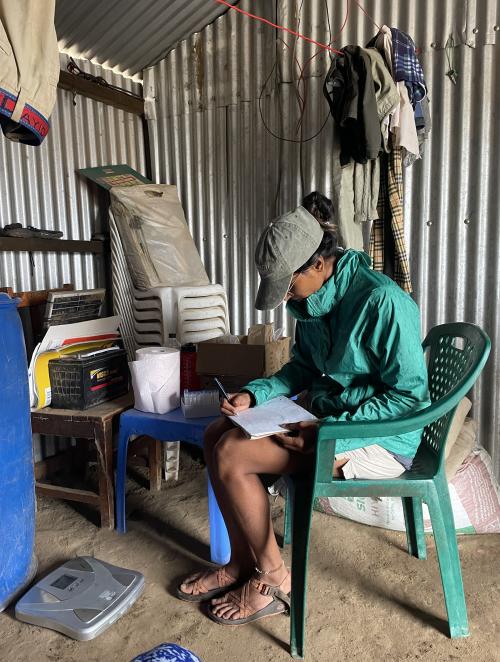
During summer 2025, I collected data for the Daasanach Human Biology Project in Illeret, Kenya, living and working in the Turkana Basin in conjunction with other field researchers and students of the Koobi Fora Field School. There, we lived in tents at a research camp and traveled to local communities of the Daasanach people, a semi-nomadic pastoralist people group living largely in the desert in Northern Kenya. In Illeret, in conjunction with a field team, I collected physiological data (including biomarkers of inflammation, kidney function, and total energy expenditure) on 500+ adult participants to assess the influence of a high-stress environment on the human body. Additionally, I mentored an undergraduate student doing a research project on the relationship between water insecurity and pregnancy status among Daasanach women. Finally, I used data from previous collection waves of this project to begin a manuscript on the relationship between reproductive status and stress. When I returned from Kenya, I continued work on this manuscript, eventually finishing a first draft in the fall semester and submitting an abstract for the Human Biology Association's 2026 annual conference. The Summer Research Fellowship was essential in allowing me to gain this field research experience and work toward increasing my scientific portfolio!
During summer 2025, I expanded my research on human energetics and diet through stable isotope analysis of nitrogen (δ¹⁵N) and carbon (δ¹³C) in modern populations. Supported by the Summer Research Fellowship, I led participant recruitment and sample collection for a study examining dietary variation and nutritional health across North Carolina. Working with undergraduate students, I organized informed consent, sample labeling, and documentation protocols, ensuring IRB compliance and ethical transparency. In the lab, I processed hair and nail samples for isotopic measurement, standardizing cleaning, drying, and weighing procedures before mass spectrometry analysis at Duke and the GAIA Laboratory. These isotopic signatures provide a biochemical record of protein and energy intake, allowing us to link dietary patterns with socioeconomic and environmental variables. Beyond lab work, I trained students in sample preparation and isotopic theory, emphasizing how carbon and nitrogen ratios reflect food web dynamics and metabolic strategies. This summer strengthened both the technical and pedagogical sides of my research, laying the groundwork for comparative isotopic studies in Panama and Colombia that integrate ecological, cultural, and nutritional perspectives.
During summer 2025, supported by the Summer Research Fellowship, I focused on advancing my academic and research milestones in preparation for the next stage of my doctoral program. I completed co-authoring of a scholarly article that is now in the copy-editing phase for publication in a peer-reviewed journal, marking a significant step in disseminating my research. In addition, I successfully finished the coursework for two previously incomplete graduate seminars, ensuring the timely fulfillment of my program requirements. Alongside these commitments, I dedicated substantial time to preparing and organizing materials for my qualifying examinations scheduled for spring 2026. This process involved consolidating key readings, refining my bibliographies, and developing thematic frameworks that bridge my interests in postcolonial literature, historiography, and visual culture. The fellowship’s support enabled me to devote focused time to writing, revision, and exam preparation without additional teaching or administrative obligations, strengthening both the scholarly depth and methodological coherence of my ongoing research trajectory.
The Summer Research Fellowship was incredibly helpful in the progress of my dissertation work. It provided me with a service-free summer, during which I completed a significant part of research work required to write chapters one and two of my dissertation. The research work involved extensive archival work and going through manuscripts of several unpublished articles, essays, and lectures of two German thinkers: Theodor Adorno and Walter Benjamin. Engaging with these primary sources allowed me to reconstruct the intellectual development of both thinkers beyond their canonical published works. In particular, I examined Benjamin’s notes on the philosophy of history and allegory, as well as Adorno’s reflections on identity, reconciliation, and historical progress. These materials have proven invaluable in clarifying how their distinct philosophical positions evolved in dialogue with the political and intellectual crises of early twentieth-century Europe. This intensive research period also allowed me to refine the theoretical framework of my dissertation, which explores how W.E.B. Du Bois engages with and revises the German historiographical tradition represented by these figures. By studying the unpublished manuscripts, I gained deeper insight into the nuances of Adorno’s and Benjamin’s critical methods, especially their attempts to think history outside teleological models of progress. SRF thus enabled both substantive scholarly discoveries and crucial conceptual refinements.
With the support of the Summer Research Fellowship, I was able to have time for reading and writing of my second chapter in my dissertation. As I previously planned, I was able to make good progress and I finished the research and drafting of my second chapter by the end of the summer. My dissertation, titled “The Absent Home: Creating Origin Amid Instability in German Literature around 1800,” explores how German authors of this period reveal home to be a concept fraught with tension, disillusionment, and violence that generates itself as a seemingly stable site to hide its own inherent fragility. My second chapter is about the German author Heinrich von Kleist's drama Hermann's Battle and novella The Marquise of O. I explore how, for Kleist, home—whether conceived as family or nation—is a hollow construct, because its supposed foundations depend on excluding precisely those figures upon whom it secretly relies. The Marquise of O and Hermann's Battle approach the question of home from the domestic and the national angles respectively, but they converge in grounding their critique of its artificial construction through their treatment of female figures. In both, the female body becomes a sacrificial site, likened to occupied land or besieged fortress, and serves as the unspoken foundation upon which the seemingly self-evident patriarchal visions of domestic and national order are built. I am very grateful for the Summer Research Fellowship, which helped me to stay on track.
I used my Summer Research Fellowship to fund a research trip to Germany. I spent about six weeks there, visiting multiple archives to conduct exploratory research for my dissertation. I also used this time to take a language course to improve my German skills.
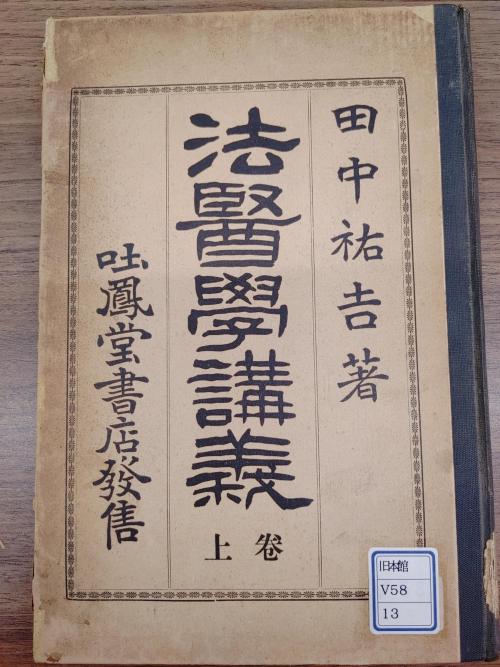
During research in Japan, I found how different universities and professional networks shaped China’s approach to legal medicine. At Kyushu University, where Xu Songming studied and later established the first physiology classroom at Peking University, student records and institutional archives reveal the networks that facilitated the circulation of Japanese medico-legal practices into Chinese institutions and enabled sustained knowledge exchange. Research at Tokyo University illuminates how faculty recruitment and formal institutional exchanges directly influenced Chinese forensic curricula. Archival evidence also shows that many Chinese physicians regularly attended Japan’s annual medical and forensic conferences, highlighting ongoing professional engagement and the transnational dissemination of expertise. Many Japanese instructors from these institutions were later recruited by the Chinese government to teach forensic-related courses, demonstrating the concrete mechanisms through which knowledge and expertise flowed. Together, these findings allowed me to map the transnational flows of forensic knowledge, trace strategies used to train practitioners, and clarify how Chinese actors adapted Japanese forensic models to local legal, ethical, and social contexts, providing crucial insight into the hybrid and transnational character of early twentieth-century forensic science in China.
I spent the summer of 2025 visiting a range of archives relevant to my dissertation research in the United Kingdom. My research focuses on the environmental and scientific history of cyclones (also known as hurricanes and typhoons in other parts of the world) and their impact on communities and urban governance in coastal South Asia, and the broader Indian Ocean world. The British Library in London has one of the largest archival repositories of materials related to South Asia, and I spent a large chunk of my time there along with the Meteorological Department's Archives in Exeter and traces of materials that I found references to in the British Library, led me to visit the London City Archives, which I had not anticipated visiting beforehand. The Summer Research Fellowship afforded me the opportunity to deep dive into archival collections in the UK, broadening the scope of my research, and helping me locate materials I was unable to in South Asian archives thus far.
I traveled to Lahore to conduct my fieldwork, capture photographs of sites, go to the new archive opened, and visit the Lahore Museum. I also traveled to London to visit the British Library and Derry to conduct fieldwork.
This past summer I participated in an academic reading group in preparation for preliminary exams. Spearheaded by Professor Balakrishnan, the reading group allowed me to read canonical literature on African history and missionary history in Africa. I also conducted oral interviews as co-director of the Black Reproductive Justice Archive, an oral history project that records the stories of those on the frontlines of the fight for black reproductive justice. This project allowed me to gain further experience in the skillsets of oral interview conduction that are integral to historical practice. It also allowed me to gain further experience in mentoring undergraduate students which will be also be important professional skills for the professoriate.
For summer 2025, I spent time reading and building a dissertation bibliography with annotations, including primary and secondary sources. I also traveled to Washington, D.C. and New York City to visit archives and register as a research, learn protocol, etc.
In summer 2025, I focused primarily on writing, publications, and teaching preparation. My dissertation, "Figuring Rape: Fantasy, Violence, and the Colonial Encounter," explores the relations of sexual violence, fantasy, desire, and law in the colonial encounter through cultural production, legal cases, and theoretical discourse primarily in Algeria and Palestine. This summer, I began work on the fourth chapter, which takes an in-depth look at some of the novels of Palestinian writer Sahar Khalifeh. I also completed a revision of an earlier chapter of the dissertation to submit for publication consideration to peer-reviewed journal in my field. Additionally, I was fortunate to have been invited to review Nouri Gana's recent book, Melancholy Acts: Defeat and Cultural Critique in the Arab World. My review is forthcoming in the journal Psychoanalysis and History in 2026. In addition to my research and publication work, I designed the syllabus for the Writing 120 course I am teaching both semesters this fall and spring, titled Being the Other: Diaspora and Literature.
During summer 2025, I dedicated my time to analyzing satellite telemetry and drone-based data from sea turtles nesting at the Shell Beach Protected Area in Guyana. The Summer Research Fellowship allowed me to work intensively with complex datasets, refine analytical techniques, and uncover patterns in turtle movement and nesting behavior that will help guide conservation strategies. I completed population-level habitat use analyses using Continuous-Time Movement Models and applied the Move Persistence model to turtle tracking data to identify movement behavior along migration paths. I also processed thermal drone footage to test a standardized approach for monitoring nesting activity, an emerging method that complements traditional ground surveys. In addition, I dedicated time to studying the best approaches for integrating regions of overlap with fishing activity data from Global Fishing Watch to prepare for future analyses of leatherback turtle migration and foraging patterns. This focused research period strengthened my analytical and technical skills and deepened my understanding of the ecological challenges facing sea turtles. The findings will contribute to more effective conservation and management in Guyana and the wider Caribbean.
Shorebirds are the small, brown and grey birds that we see flitting along the beaches of summer seaside paintings. Those unassuming little birds are some of the world's greatest endurance athletes, flying thousands of miles in migrations that span from Alaska to Argentina. My research looks at the migratory routes of those birds as well as their potential interactions with wind energy development, particularly in the US Gulf Coast. Through partners who have tracked these birds with small GPS-laoded backpacks, we are able to learn about the birds' ecology in order to protect the habitat that they rely on to make their journeys. I also use this tracking data to highlight the policy and coordination challenges involved in conserving a bird that flies freely and frequently between national boundaries. This summer, I used support from the SRF to specifically analyze data from Short Billed Dowitchers, a poorly understood species whose population breeds in three distinct subpopulations. The tracking data I was working with revealed that the birds nest further north than previously understood and that two of the subpopulations may actually be gradations of a larger population. The data also revealed that they use the Dakotas more extensively than previously documented.

I was able to go to conferences in Montreal, South Bend, and Berkeley, and learn from experts in my field.
Thanks to the Summer Research Fellowship, I was able to attend and participate in a variety of workshops, concerts, and residencies that all relate back to my artistic practice and research goals at Duke. This funding allowed me to attend the world premiere of a chamber ensemble trio I wrote for the NYC-based group Contemporaneous in June. Shortly after the premiere, I was able to attend back-to-back artistic residencies at the art space Oracle Egg in Los Angeles, California for two weeks. During this time, I workshopped and premiered three brand new works that combined experimental musical performance practices with cutting-edge visual technology. During July, the fellowship provided funding for my attendance at a residency at Mass MoCA in North Adams, MA. My contemporary classical ensemble, Shutterspeed Duo, participated in a week-long residency attached to the Bang on a Can Summer Institute and showcased new ways to implement technology into classical performance practices. I also personally explored new ways to diffuse music over a large-scale Constellation sound system. The following week, I attended and performed at Woodstockhausen East, a music festival and conference for researchers and experimental artists who pursue new forms of electronic music performance. During this event, I networked with peers in my field and made further connections amongst music technologists.
I worked on the music of composer Meredith Monk to study her techniques and compositional methods. I focused on different pieces and even her films to see how she relates past and futuristic ideas in her music. I also read various books, articles, and dissertations about her, along with related publications on historical and cultural temporality in music. In addition to researching her ideas and drawing inspiration from both old and new types of music, I conducted a detailed analysis of some of her pieces to extract past and futuristic concepts. I also conducted valuable research to identify more music composers worldwide, which will be beneficial for my future studies, research, and, of course, my own compositions. Thus, I was able to discover more new music by composers whose works I analyzed briefly, and I plan to analyze them completely in my upcoming research. As a composer, I also utilized the Summer Research Fellowship to compose and study various ideas for the upcoming composition projects for the Duke visiting ensembles. I worked in the areas of music composition, music analysis, music research, music history, music theory, and specialized knowledge in music, all of which were extremely helpful in shaping my future dissertation work.

During the summer term, I attended the Italian language immersion program at Middlebury Language Schools in Vermont to continue advancing my skills in Italian, which will help me in my doctoral research on the soundscapes of medieval Italy through the literature and poetry of Dante Alighieri. At this program, I took courses in Dante, Italian "cantautore" (singer-songwriter) popular music, and linguistics, in addition to practicing everyday conversation and networking skills. The pedagogical key to this program lies in its legendary "language pledge," in which all students and faculty on campus agree to live, work, eat, and do activities together while remaining fully in the target language to simulate full language immersion. Without the generous support of Duke, I would not have been able to continue advancing my Italian language skills this summer, which will be directly valuable during my doctoral dissertation research.

This summer, supported by the Summer Research Fellowship, I conducted preliminary fieldwork for my dissertation on Taiwan’s mountain sound cultures. My research explores how people sense and navigate the alpine environment through sound, and how sonic practices along historical trails reflect the island’s layered colonial and Indigenous histories. I focused on two sites: the Japanese-built Batongguan Traversing Trail, an area deeply tied to Indigenous lifeways, and the Cuifeng Lake Circular Trail, known as the world’s first “silent trail.” Taiwan’s steep terrain, frequent earthquakes, and typhoons create fragmented, high-risk landscapes, making access possible mostly through backpack hiking and rock scrambling. In these vertical environments, people cultivate sensory cultures emphasizing depth, elevation, and alternative scales of listening and naming. Through walking, listening, and engaging with local communities, I examined how mountain paths become infrastructures of sensing and storytelling. This fieldwork not only grounded my theoretical framework but also revealed how sound, movement, and environment are intertwined in shaping human–more-than-human relations in Taiwan’s highlands.
During summer 2025, I dedicated concentrated time to advancing my dissertation research as a Ph.D. candidate at Duke University School of Nursing, supported by the Summer Research Fellowship. My dissertation, “Exploring Opioid-Related Transitions for Patients with Pain and Clinicians who Prescribe Opioids,” examines the critical and high-risk periods when patients prescribed opioids for chronic pain experience changes in prescribers, medications, or care settings. Over the summer, I completed data analysis for my patient interview study, prepared my dissertation defense scheduled for November 2025, and disseminated findings through peer-reviewed publication. Notably, my concept analysis, “Opioid-related Transitions for Chronic Pain Management,” was published in Pain Management Nursing in August 2025. The protected time provided by the fellowship allowed me to focus on analysis, writing, and dissemination, laying the foundation for post-doctoral funding and future intervention development.
I spent my 2025 Summer conducting immersive fieldwork among two highly insular religious communities: the ultra-Orthodox Satmar Hasidim in New York and the Amish in Lancaster, Pennsylvania. My work combined ethnographic observation and original survey research to understand how isolation, authority, and group identity shape political and social attitudes in insular communities. I designed and ran surveys measuring views on civic participation, governance, and modern society, while spending time in community spaces to observe how these beliefs play out in daily life. In New York, I attended events and met with local leaders to discuss internal decision-making and external engagement. In Lancaster, I conducted interviews and field observations in Amish schools, markets, and public auctions.
During summer 2025, I dedicated my time to advancing several ongoing research projects and preparing manuscripts for submission to leading academic journals. I also worked as a research assistant for Professor Herbert Kitschelt, supported by an additional fellowship, contributing to the Democratic Accountability and Linkages Project (DALP). In this role, I collaborated on the development of comprehensive country dossiers for 94 nations, integrating data from both waves of the DALP survey to analyze patterns of party competition and linkage strategies. In parallel, I maintained close contact with faculty members to plan future co-authored papers and potential extensions of my dissertation research. I also finalized a co-authored article presented at the 2025 Annual Meeting of the American Political Science Association (APSA), focusing on redistributive preferences and democratic backsliding. These activities allowed me to strengthen my empirical and theoretical foundations, expand collaborative networks, and make meaningful progress toward producing publishable academic work.
Thanks to the SRF this past summer, I was able to focus on my research manuscripts and two were accepted at the end of the summer for publication: Malesky, Edmund J., Trung-Anh Nguyen, Hoang Dung Phan, Dang Thien Khuu, and Ky Nam Nguyen. "Civic Education and Voting under Authoritarianism: A Randomized Experiment on the 2021 Vietnam National Assembly Election.'' Forthcoming at Journal of Politics. Schuler, Paul, Trung-Anh Nguyen, Yongfeng Tang, and Mohammad Khan. 2025. "Founding Leaders and National Narratives: Anthropomorphism and the Roots of Founding Leader Personality Cults in Three East Asian Cases." \Comparative Political Studies. doi: 10.1177/00104140251381
The SRF provided tremendous support in allowing me to continue my academic pursuits. In the summer of 2025, I primarily worked on one of the ongoing neuroimaging studies in our lab. I completed data collection for one of the study samples, and learned new skills in preparing the neuroimaging data for analysis, including adapting programming scripts for preprocessing and data conversion. I am currently continuing to work on this project and develop further skills in neuroimaging analysis. In addition, I developed and finalized the design for a novel research study, which involved an extensive literature review and considerations for experimental design. After finalizing this research design, I began programming the study's task paradigm. I am currently working on finalizing the task programming, and am expected to launch this study in the fall semester. I also worked on conducting literature review in preparation for my preliminary exam in the spring Semester of 2026, and uncovered a novel gap in the existing literature, which I have been developing into a meta-analysis for my preliminary exam.
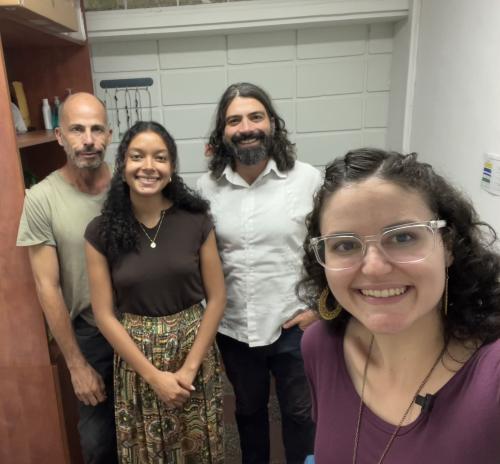
Forgiveness plays a crucial role in overcoming interpersonal conflict and maintaining valued relationships after a transgression. The Summer Research Fellowship from The Graduate School allowed me to continue my journey in understanding how the emotions associated with our autobiographical memories of wrongdoings change through the process of forgiveness. I made two trips to Cartagena, Colombia, where I conducted an experiment with victims of war crimes, evaluating the negativity and emotional intensity of remembering traumatic wrongdoings by measuring sweat response, heart rate, respiration rate, and facial muscle responses: negative events elicit responses in the corrugator muscle (above the eyebrow), while positive events elicit reactions in the zygomaticus muscle (cheek). This study has allowed me to delve into how the emotional experience when remembering a wrongdoing is related to forgiveness and the underlying cognitive mechanisms behind this process. I am thrilled to say that, with the support of the SRF-GS Fellowship, I was able to finish a long process of data collection and work on a manuscript that I will submit to a top-tier journal. I am excited about the contribution of my findings to scientific research and their practical implications for informing interventions aimed at overcoming interpersonal traumatic transgressions.
Over the summer, I conducted a research rotation with Drs. Tobias Overath and Gregory Cogan investigating a case study of musicogenic epilepsy (seizures generated by music). This research is ongoing, but preliminary results indicate a difference in the time course of seizures in the presence of music as compared to those in the absence of music. In addition to my research rotation, I wrote an NIH F31 grant application under the sponsorship of my thesis advisor, Dr. Jennifer Groh. In this application, I proposed investigating neural patterns underlying auditory stream segregation. This project is part of the larger question of how we represent multiple simultaneous stimuli in the brain. This work has the potential to impact our understanding of a variety of audiological and neurological disorders, including auditory processing disorders.
Thanks to the generous support from the Summer Research Fellowship, I had the time and bandwidth to make substantial progress on an empirical paper investigating how people perceive and react to different examples of upper-class privilege in the U.S. I wrote up the full manuscript over the summer, revised the theorizing according to a recent and targeted literature review, and went through a round of edits with my collaborators. I'm expecting to submit this paper to the Journal of Personality and Social Psychology (JPSP) by the end of November. This work will ultimately be one of the cornerstones of my dissertation, so being able to make such progress on it over the summer was crucial for the advancement of my academic career. I also attended the Summer Institute for Social and Personality Psychology (SISPP)—a highly selective pre-doctoral training program. Taking a class outside my main area of research and attending advanced statistical workshops helped me expand the breadth of my knowledge and my methodological toolbox. I also had the chance to meet a lot of distinguished professors in my field and made many new friends from across the world, who will one day become my colleagues. Overall, it was a very productive summer that helped me grow as a social psychologist in-training.
Through the generous support of the Summer Research Fellowship on Racism and Systemic Inequalities, I dedicated the summer to advancing my dissertation chapter examining the effects of unconditional cash transfers on American Indian and Alaska Native children. During this period, I refined my analytic approach, pivoting from an initial focus on child maltreatment outcomes to neonatal and psychosocial risk. Specifically, my current analyses investigate whether the positive long-term impacts observed among children (now adults) vary based on their early neonatal or psychosocial risk factors.
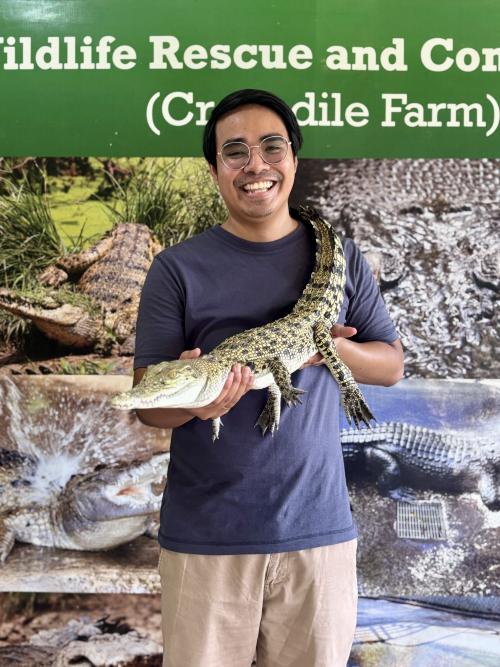
Over the summer, I spent three months in the Philippines conducting fieldwork for my dissertation on the relationship between corruption and good governance. I travelled across four different municipalities: Guinobatan, Albay; Padre Burgos, Southern Leyte; Claver, Surigao del Norte; and Dumaran, Palawan; as well as Manila, the capital city. My research involved almost 70 key informant interviews with public officials, civil society leaders, journalists, and local residents. I sought to understand how people understand, experience, and respond to corruption, both in the abstract, and in their day-to-day lives. The fieldwork required navigating diverse political and social environments, from coastal towns in Visayas to city-like municipalities in Mindanao, allowing me to see how geography and its attendant cultural outcomes shape local governance. More than just gathering data, however, the experience also served to deepen my understanding of how social norms interact with local governance. In doing so, I was able to see firsthand how citizens make moral sense of corruption within systems that both constrain and compel them. As physically and intellectually demanding as these months in the field were, they were also humbling; they allowed me to immerse myself in the lived realities underlying academic theories of governance.
The Summer Research Fellowship gave me the rare chance to treat my research like a retreat—to focus fully without the interruptions and shifting routines of the academic semesters. During that time, I made major progress on three core research projects for my Ph.D. One examines how the arrival of Venezuelan refugees affected public health in Brazil, showing how local systems struggled to keep pace with sudden demand. Another studies Brazil’s mental health reform and finds that expanding community-based care reduced school dropout and age–grade distortion. The third analyzes how Mexico’s 2021 visa restrictions for South American nationals reshaped tourism and reduced irregular migration—but at large economic and humanitarian costs. Being able to dive deeply into these projects transformed my summer. I completed new data collection, analyses, advanced drafts toward working papers, and prepared material to present at conferences and seminars throughout the fall and spring.
During summer 2025, my research focused on developing three projects. First, I revised my second-year empirical paper, which investigates the long arm of childhood family structure on individuals’ wealth portfolio trajectories in early adulthood. This study is the first to examine how childhood family structure influences wealth accumulation patterns using a novel approach that combines latent class analysis and sequence analysis. The paper is now ready for journal submission. Second, in collaboration with my advisor, I analyzed the relationship between local wealth inequality and individuals’ subjective well-being. This project has been accepted for presentation at the Russell Sage Foundation Workshop for the special issue on Inequality in America: Beliefs, Attitudes, and Actions (October 2025, New York). Finally, I conducted an extensive literature review to refine the topics and theoretical frameworks for my three dissertation chapters. Together, these efforts strengthened both my methodological skills and the coherence of my research agenda on family demography and economic inequality.
This past summer was a valuable contribution to my goals as a Ph.D. student and a researcher. First, the fellowship afforded me the opportunity to explore foundational readings in my field of interest. For example, I was able to read literature focusing on policy feedback effects, other theories of the policymaking process, and the relationship between politics and higher education. That sort of foundational reading will inform my future research, including my second-year paper. My second-year paper will explore the social construction of identities of college students who receive financial aid. The paper will ask the following questions: What types of students are deserving of financial aid? Are all students? How do the framings of recipients of financial aid in arguments for or against the policy affect people’s support? Second, the fellowship afforded me the opportunity to improve my technical skills. I spent time over the summer continuing to learn about using Stata and R for quantitative analysis, as well as tools for qualitative research.
With the support of the Summer Research Fellowship I was able to focus on my research this summer without having to meet any other work requirements. This enabled me to make progress on some very key aspects of my dissertation, which focuses on the long-term impacts of a large rural school expansion policy in India. First, I was able to compile a lot of information regarding which districts received funds to build these schools in the 1990s. Second, I was able to work on cleaning and merging data on the children who benefitted from these schools in the 1990s to their adult outcomes in the late 2000s—this was using a unique survey in rural India. I was able to not only finish my IRB process but also gain access to the data and clean and merge the two panels of data. Third, I was able to generate some summary statistics and preliminary results which I submitted to conferences—I will be presenting at the Southern Economic Association in November. I will be continuing my work on this project and continue refining and expanding my analysis before moving on to write up phase. I am greatly thankful for the monetary support of the Summer Research Fellowship to enable this work.
I used the SRF funds to collect data toward my second-year paper (a program milestone for all public policy Ph.D. students). I traveled to India to obtain interviews with close to 50 municipal bureaucrats. The ensuing paper has now been accepted to multiple conferences pertaining to the field and my region of interest (South Asia). The paper will also form the basis of one of my dissertation chapters. Without the SRF, this research would have been impossible to execute, and I would have had to pivot to completely different topics.
For my dissertation, I plan to engage in ethnographic research of communities in the U.S.-Mexico borderlands that have developed religious rituals to memorialize people who have died while crossing the border into the United States. During the summer of 2025, I began preliminary exploration regarding potential sites for the ethnographic component of my project. With a summer free from classes and teaching obligations, I researched the groups in Texas, New Mexico, and Arizona that are organizing these vigils and developed relationships—via phone calls and zoom meetings—with organizers. I have now been able to visit groups in Laredo and Eagle Pass, Texas, as well as Douglas, Arizona.
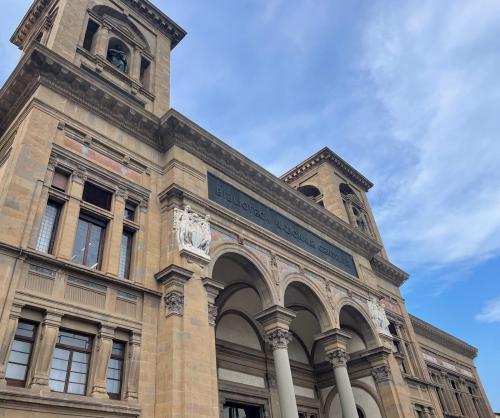
Thanks to the 2025 Summer Research Fellowship, I traveled to Italy in June to conduct the first part of archival research for my dissertation project that examines Italian and Cuban nationalism in the nineteenth and early twentieth centuries from comparative and transnational perspectives. For several weeks, I worked in archives and libraries in Rome and Florence and consulted a large number of historical documents, letters, brochures, periodicals, and other materials related to the Italian narratives about the Cuban struggles for independence (1895–1898) that I would not have been able to access otherwise. During Summer Session (Term 2), I took an online intensive language class (Advanced Intermediate Spanish 204, Prof. Rebecca Ewing) offered by my Department of Romance Studies. Since I need to work consistently with materials in Spanish for my project, this course was extremely helpful for refreshing my knowledge and use of the language (I had learned it during my master’s degree but did not practice it for a long time) in preparation for dissertation writing. Most importantly, when I was in Durham in July and August, I could focus on the reading of the relevant primary sources (incorporating my summer archival findings) and secondary literature, and finalized the prospectus for my dissertation project, “The Myth of Italy and Ideas of Cuban Nationhood: Sovereignty, Race, and Civilization,” that I successfully defended in early fall 2025.
The Summer Research Fellowship allowed me to focus on my research all summer long, releasing me from teaching responsibilities. Over those three months, I was able to finalize a draft of the third chapter of my dissertation, which focuses on Portuguese writer Fernando Pessoa, as well as to begin working on the introductory chapter. Overall, I was able to write a significant portion of my dissertation and I had enough time to prepare for a self-designed course I am currently teaching. I am very grateful to have had an opportunity to set myself up for success over the summer, as the fall semester is usually busier due to teaching, additional research, and fellowship and job applications.
During summer 2025, I worked on two research projects. The first involved the finalization of our collaborative project, Young Voices: Growing Up in America. During 2024-2025, we conducted an extensive study in the Research Triangle, surveying more than 200 children (aged 10 to 12) and their parents, as well as completing 120 in-depth interviews, to understand political socialization among U.S. children. Throughout the summer, I led the data cleaning process, standardized interview transcripts, and began preliminary analyses on how different value orientations among kids inform their political preferences and evaluations. In parallel, I completed a related experimental paper, “Evaluating Dynamic Constraint in Belief Systems,” which tests whether political belief change in one domain leads to changes in related domains. Using a survey experiment, I found that while factual information indeed changes targeted political beliefs, it rarely induces broader belief coordination, suggesting that belief updating is a domain-specific process.
Thanks to the generous support of the Summer Research Fellowship for Research on Racism and Systemic Inequalities, I was able to make meaningful progress on my paper, “Racial and Gender Differences in Patient-Centered Communication Among Older Adults,” which is now under journal review. This summer was an invaluable period of growth in which I deepened my understanding of longitudinal data analysis with complex survey designs through both self-study and by attending the UseR Conference in Durham, NC. The conference accelerated my grasp of efficient statistical packages that I’m now applying to another chapter of my dissertation. I presented early findings from that chapter, “The Effect of Medicaid Expansion on the Black-White Gap in Diabetes Management Outcomes,” at the Graduate Research Workshop in the Sanford School of Public Policy on October 13, 2025. I’m also excited to share this work at the upcoming Demography of Health and Aging seminar series hosted by the Duke University Population Research Institute in January 2026. I’m deeply grateful for the fellowship’s support, which has been instrumental in advancing my research and professional development.
I utilized the summer of 2025 to begin preparing for my preliminary examination that I am taking in December this year and to get a head start on research for my Ph.D. I started a project on the effect of the choice of an appropriate score on the quality of conformal prediction with Prof. Peter Hoff. I also started working on a project on the asymptotic properties of the rank maximum likelihood estimator under Prof. Hoff. Both these projects are right now on the verge of completion. I continued my work on the simultaneous accurate recovery of the probability matrix and the community assignments for Bayesian Stochastic Block Models under Prof. Surya Tokdar. I began reading up literature on Federated Learning under Communication Constraints and Differential Privacy settings for my prelim under the guidance of Prof. Lasse Vuursteen.
This summer I had the amazing possibility of polishing previous research, conducted under the supervision of Duke faculty Prof. Filippo Ascolani, to present out joint work at an international conference. Moreover, I had time to do some readings that lead me to choose three faculty members as committee members for my preliminary examination, including pinning down the specific topics that will lead us there in a couple of months. Not only this time allowed me to discover a new branch of my field (predictive Bayesian inference) that will the topic of my prelim examination from Prof. David Dunson, but is also further lead to conceiving a related novel approach that has now become a thread of research, and might end up being part of my doctoral dissertation. It is particularly valuable to me to have received financial support during the summer, as it allowed me to dedicate myself full time to these valuable endeavors, in a way that during the year is never possible. Indeed, while other aspects of the daily routine of a graduate student, like taking classes, working as a TA, going to seminars, group meetings, and reading groups have great merit, it is also invaluable to have some time to only focus on one thing at a time to achieve a higher level of focus.
During the summer of 2025, supported by the Summer Research Fellowship, I focused on advancing my research in tensor methods for high-dimensional statistical modeling under the guidance of Prof. Anru Zhang. My primary project centered on developing and analyzing algorithms for tensor ring (TR) decomposition, an efficient framework for representing high-order data with low-rank structures that has broad applications in quantum learning and generative modeling. I investigated both the theoretical properties and computational aspects of TR models, leading to refined algorithms that achieve scalable and accurate recovery of latent tensor components in high-dimensional settings. In addition to my research at Duke, I participated in the IMSI (Institute for Mathematical and Statistical Innovation) workshop on Tensor Methods in Statistics and Machine Learning at the University of Chicago. The workshop provided a valuable opportunity to engage with leading researchers, discuss recent advances in multilinear algebra, and explore applications of tensor methods to areas such as network analysis, quantum computation, and Bayesian modeling. This experience deepened my understanding of emerging theoretical connections between tensor decompositions and modern machine learning models, inspiring new directions for my ongoing dissertation research. Overall, the fellowship supported significant progress in my academic development and strengthened my foundation in high-dimensional statistics.