Image

Blog
Pictured above: The team shared their love of music with the entire Emerging Leaders cohort by handing out kazoos at their final presentation.
At Duke, graduate students, postdocs, and professionals face a range of challenges during their academic journeys. Amidst the pressures and demands, it’s easy to lose sight of activities that bring joy and relaxation—like music. Whether someone is picking up an instrument for the first time or looking for ways to reconnect with their musical side, the resources available to them were often hard to find or scattered.
As part of the Emerging Leaders Institute (ELI), our team set out to address this gap. Our interdisciplinary group was charged with developing and implementing a project that would improve the campus environment for graduate students and postdocs. We realized that many students and faculty were seeking opportunities to engage with music outside of their academic responsibilities, but the information they needed—whether it was about practice spaces, instrument loans, or finding fellow musicians—was fragmented. Furthermore, multiple members of our team had music skills and culture, which helped us focus on the key aspects of music. This led us to design a website that would bring all these resources together in one easy-to-navigate platform.
Our goal was simple: to create a space where anyone at Duke who finds happiness in music—whether it’s playing, learning, or connecting with others—could easily access the information they need. We wanted to provide a resource that would help reduce stress, promote wellbeing, and offer a way for people to engage with something they love.
To ensure we were meeting the needs of the community, we conducted surveys and interviews with students, postdocs, and faculty. We listened closely to their feedback and learned that many people wanted a one-stop platform to find practice spaces, instrument loans, music classes, concerts, and opportunities to connect with other musicians and bands. We also discovered that there was a strong interest in having a combination of free and paid resources available.
With this wish list in mind, we structured the website to include the following key sections:
The most rewarding part of this process was seeing how the website could help foster a sense of belonging and joy in the community. Many people told us they felt isolated or overwhelmed by the academic pressures at Duke, and the website provided them with a way to reconnect with music—an activity that brought them joy and balance in their lives.
Through this project, we’ve learned the importance of listening closely to the needs of the community and creating solutions that are both practical and inclusive. Building this website wasn’t just about compiling resources; it was about creating a space that could help reduce stress, foster new connections, and give people a sense of relief through something they love. We were also able to develop new connections and meet new friends during our time in ELI. In addition to learning the music facilities at Duke ourselves, we started to emphasize finding work-life balance.

As we reflect on this project, we’re proud to have built something that can support the wellbeing of our peers, whether they’re a seasoned musician or someone just looking for an outlet to relax. Beyond the final product, this experience was a meaningful leadership journey. With team members from so many backgrounds, we guided our collaborative vision while balancing different ideas and skillsets. From developing the website's structure to reaching out to student groups and local organizations, the team learned to manage logistics and resources to explore the wider Research Triangle community. Perhaps most importantly, we saw firsthand how leadership often means listening, encouraging others' strengths, and staying focused on the impact we wanted to create. These lessons have shaped how we approach teamwork and problem-solving, and we’re excited to carry them forward into our future roles both here and beyond Duke. Our main goal in developing a project topic was to find how we could encourage joy in the Duke community. Moving forward, we’re excited to see how the Duke Music Resources Hub Website continues to evolve, bringing joy and connection to the Duke community for years to come. We are glad that thanks to this website, musicians will have more access to music rooms, and maybe, students and peers will uncover new talents at Duke.
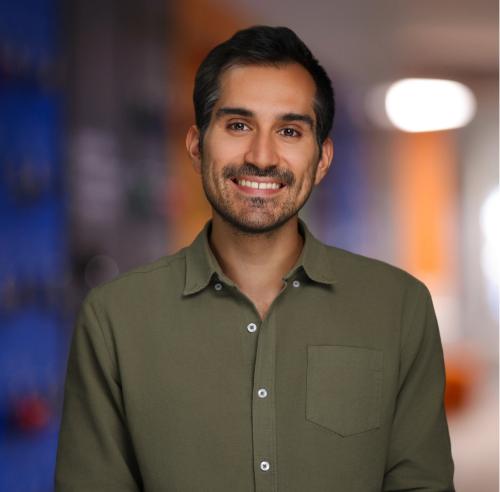
Ph.D. student, Population Health Sciences
Franco Fabian Amigo Acuña is a second-year Ph.D. student in the Department of Population Health Sciences at Duke University. His research focuses on improving healthcare quality by addressing the structure, coordination, and integration of care through advancements in health policy, management, and organizational dynamics. He holds a bachelor of science in industrial engineering and a master’s degree in public policy and management from the University of Chile, as well as a master’s degree in public health from Pompeu Fabra University in Spain. Franco has professional experience as a project manager, consultant, and researcher, contributing to projects on care coordination, healthcare utilization, and mental health trajectories. In his free time, he enjoys running, tennis, and traveling.
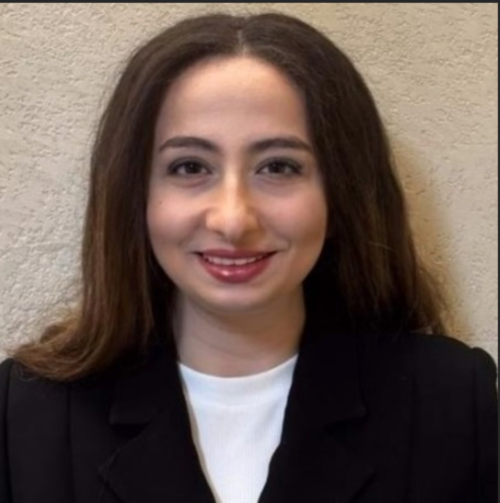
Postdoctoral fellow, Department of Surgery
Nagham Bazzi, M.D. is a first-generation medical doctor with one year of a master’s in medical and biomedical ethics and one year of surgical training in Lebanon. Currently, she is pursuing postdoctoral training in abdominal transplant surgery, focusing on transplant immunology. Driven by passion and discipline, Dr. Bazzi aspires to become an academic surgeon specializing in kidney transplantation, aiming to improve outcomes with minimal immunosuppression and cross-ABO transplants. Her journey reflects resilience, having trained in challenging conditions to refine her skills and knowledge. Outside medicine, she enjoys playing the piano and drawing calligraphy, blending precision in surgery with creativity in art.
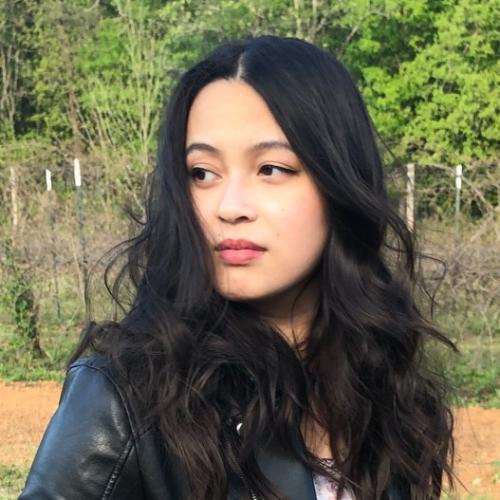
Ph.D. candidate, Biomedical Engineering
Nhi Van Phan is completing her Ph.D. research in Dr. Tatiana Segura’s group in biomedical engineering. Her current research work investigates how biomaterials can help the brain heal after ischemic stroke, leading to motor recovery for patients. Originally from Massachusetts, Nhi holds B.S. and M.Eng. degrees in biomedical engineering from Worcester Polytechnic Institute. Aside from her research, Nhi enjoys rock climbing, traveling, and baking.
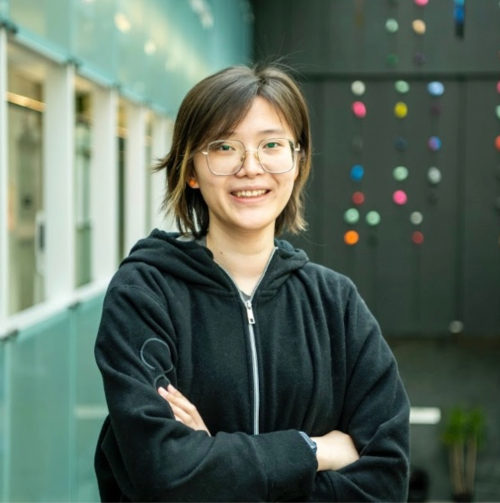
Ph.D. student, Physics
Yi Wang is a third-year physics Ph.D. student at Duke, working with Professor Eve Vavagiakis. Her research focuses on the Cosmic Microwave Background (CMB), the afterglow of the Big Bang. She is also involved in building a next-generation telescope designed to map the CMB with unprecedented precision. Passionate about science communication and outreach, she co-leads the Duke Cosmology Outreach Group and is currently creating her first pop-up book about the universe. Outside of research, she enjoys hiking, snowboarding, surfing, and playing various sports. Yi is also a van lifer and a student pilot.